Paris
The World Congress of Partisans for Peace—and the disputed Associated Press account of Robeson’s remarks.
Documentary feature · In development
Paris · Moscow · Peekskill
One year in which a singer’s words, a news dispatch and organized violence collided with the politics of race and the Cold War.
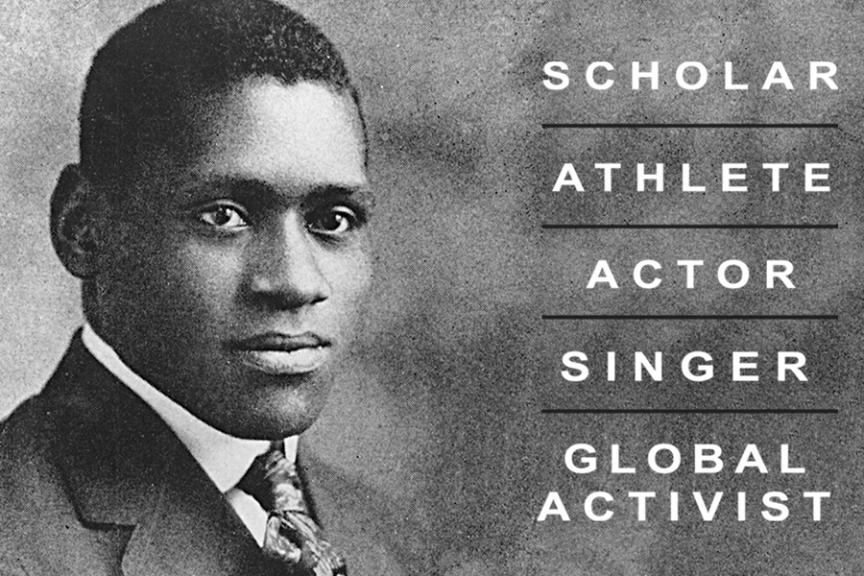
The height
A record-breaking Broadway Othello, the NAACP Spingarn Medal and global celebrity: before the “fall,” Robeson was among the most celebrated Black artists in the world.
The central question
A documentary investigation of the distance between Robeson’s voice, the dispatches that defined him, and the violence that followed him home.
The World Congress of Partisans for Peace—and the disputed Associated Press account of Robeson’s remarks.
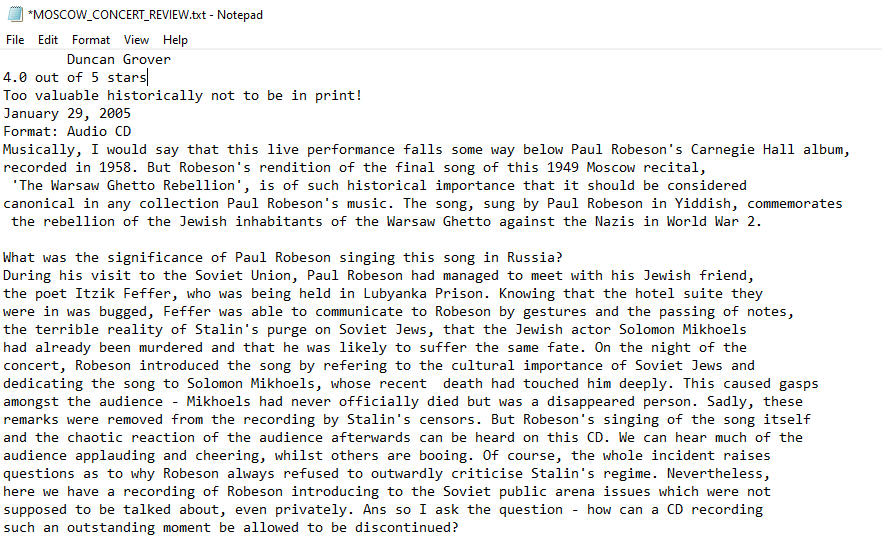
A hotel-room encounter with imprisoned poet Itzik Feffer, followed by a public concert and a Yiddish song the Soviet state did not expect.
A benefit concert stopped before it began as organized violence overran the grounds.
Robeson returned to sing. The concert proceeded; the assault intensified on the roads afterward.
Speech, translation, wire copy and political reaction—presented side by side so viewers can examine the record.
Robeson’s private meeting with Itzik Feffer and his Tchaikovsky Hall performance of “Zog Nit Keynmol.”
The two events reconstructed separately: who organized, who protected, who attacked and how the story was remembered.
The evidence
Reviews, dispatches, programs, photographs and contemporary press material become an inspectable layer of the site, with source notes and rights status attached to every item.
The film
The project combines archival footage, dispatches, concert programs, photographs, maps and interviews with historians, witnesses, musicians and Robeson scholars.